
Tips to Prevent Snow Shoveling Back Pain This Winter
Mid-winter on the South Shore often brings heavy, wet snow and with it, a predictable spike in snow shoveling back pain. Each season, many patients seek care after snow shoveling because of sudden pain, muscle pulls, or aggravated disc issues.
The good news: most snow-related back injuries are preventable with proper technique and preparation.
Below is what orthopedic specialists want you to know before the next storm.
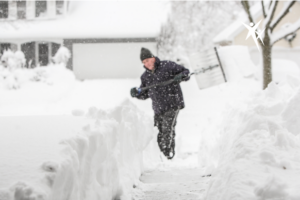
Why Snow Shoveling Is Hard on Your Back
Snow shoveling combines several high-risk movements:
-
Repetitive bending
-
Twisting while lifting
-
Heavy, uneven loads
-
Cold-stiffened muscles
-
Sudden bursts of exertion
Wet snow can weigh 20+ pounds per shovel load, placing significant stress on the lumbar spine. For patients with prior back pain, herniated discs, arthritis, or deconditioning, risk rises quickly.
7 Orthopedic Tips To Reduce Snow Shoveling Back Pain.
Warm Up First (Most People Skip This)
Cold muscles are far more injury-prone.
Before heading outside:
-
Walk in place for 2–3 minutes
-
Perform gentle back and hamstring stretches
-
Do a few bodyweight squats
Even a brief warm-up improves tissue elasticity and reduces strain risk.
Choose the Right Shovel
Use:
-
Lightweight shovel
-
Ergonomic or curved handle
-
Smaller blade for heavy snow
Avoid oversized shovel loads. Smaller, more frequent lifts are safer than heavy scoops.
Use Proper Lifting Mechanics
This is critical.
Do:
-
Bend at hips and knees
-
Keep the shovel close to your body
-
Engage your core
-
Lift with your legs
Avoid:
-
Bending only at the waist
-
Reaching far forward
-
Jerking the shovel upward
Poor mechanics are the #1 driver of acute back strain.
Never Twist While Throwing Snow
Twisting under load significantly increases disc pressure.
Instead:
-
Face the direction you’re moving snow
-
Pivot with your feet
-
Keep shoulders and hips aligned
If possible, push snow rather than lift it.
Take Frequent Breaks
Fatigue leads directly to sloppy mechanics.
Best practice:
-
Break every 10–15 minutes
- Snow shoveling is also physically demanding on the cardiovascular system, so pace yourself and take breaks.
-
Stand upright and gently extend your back
-
Hydrate (even in cold weather)
If you feel your form slipping, stop.
Watch for Warning Signs
Stop shoveling immediately if you notice:
-
Sharp or sudden back pain
-
Pain radiating down the leg
-
Muscle spasms
-
Numbness or tingling
-
Loss of strength
Pushing through early symptoms often turns a mild strain into a prolonged injury.
Know When to Use Ice vs. Heat
If soreness develops:
First 24–48 hours:
-
Use ice
-
15–20 minutes at a time
-
Reduce inflammation
After 48 hours (if stiffness persists):
-
Transition to heat
-
Gentle stretching
-
Light activity as tolerated
Avoid prolonged bed rest — it can delay recovery.
When to See an Orthopedic Specialist
Seek medical evaluation if you experience:
-
Pain lasting more than several days
-
Pain shooting down the leg
-
Significant stiffness limiting movement
-
Numbness or weakness
-
Recurrent back injuries
Early evaluation can help prevent a minor strain from becoming a chronic problem.
Convenient Orthopedic Care on the South Shore
If snow shoveling leaves you with persistent back pain, the team at Plymouth Bay Orthopedic Associates provides comprehensive spine and musculoskeletal care close to home.
From conservative treatment to advanced spine evaluation, our specialists help patients return to normal activity safely and efficiently.
Don’t wait if pain is worsening or not improving.
Frequently Asked Questions
Is it better to push or lift snow?
Pushing is generally safer because it reduces spinal load. When lifting is necessary, use proper leg mechanics and small loads.
Can snow shoveling cause a herniated disc?
Yes. Improper lifting combined with twisting can increase disc pressure and may contribute to herniation, particularly in patients with pre-existing degeneration.
How long does a snow shoveling back strain take to heal?
Most mild strains improve within 1–2 weeks with conservative care. Persistent or worsening symptoms should be evaluated.
Stay Ahead of Winter Injuries
Heavy snow is part of life in Massachusetts — but back injuries don’t have to be. Using proper technique, pacing yourself, and recognizing early warning signs can significantly reduce your risk.
If pain develops and isn’t improving, orthopedic evaluation can help you recover safely and prevent future injury. Our Spine Team.